Blog
From Design to Delivery: How Furniture Is Manufactured in India

Furniture may look simple when it arrives in a showroom, but behind every table, chair, cabinet, or storage unit is a detailed manufacturing process. For retailers, wholesalers, interior brands, and commercial buyers in Europe, understanding this process can make it much easier to choose the right manufacturing partner.
India has become an important sourcing destination for wooden and solid wood furniture because manufacturers can combine traditional craftsmanship with modern production methods. From selecting raw materials to developing custom designs, finishing products, checking quality, and preparing international shipments, each stage has an impact on the final product.
For European buyers looking for a Wooden Furniture Manufacturer from India, knowing how the journey works from design to delivery can help create a smoother and more reliable sourcing experience.
- Everything Starts with the Furniture Design
The manufacturing process usually begins with an idea, drawing, reference image, existing product, or buyer specification.
A furniture buyer may already have a complete design or may need assistance developing a product. For example, a retailer in France might require a particular dining table size, while a German furniture brand may want a specific combination of wood, metal, and finish.
A professional Furniture Manufacturer in India generally reviews details such as:
- Overall product dimensions
- Wood or material requirements
- Construction method
- Finish and color
- Hardware requirements
- Packaging specifications
- Quantity required
- Intended use of the furniture
For custom projects, these details become especially important because even a small change in dimensions can affect materials, production time, and pricing.
- Selecting the Right Wood and Materials
Once the design is confirmed, the manufacturer determines the materials required for production.
Wood selection is particularly important for businesses sourcing wooden furniture. Different types of wood have different characteristics, appearances, weights, and price points.
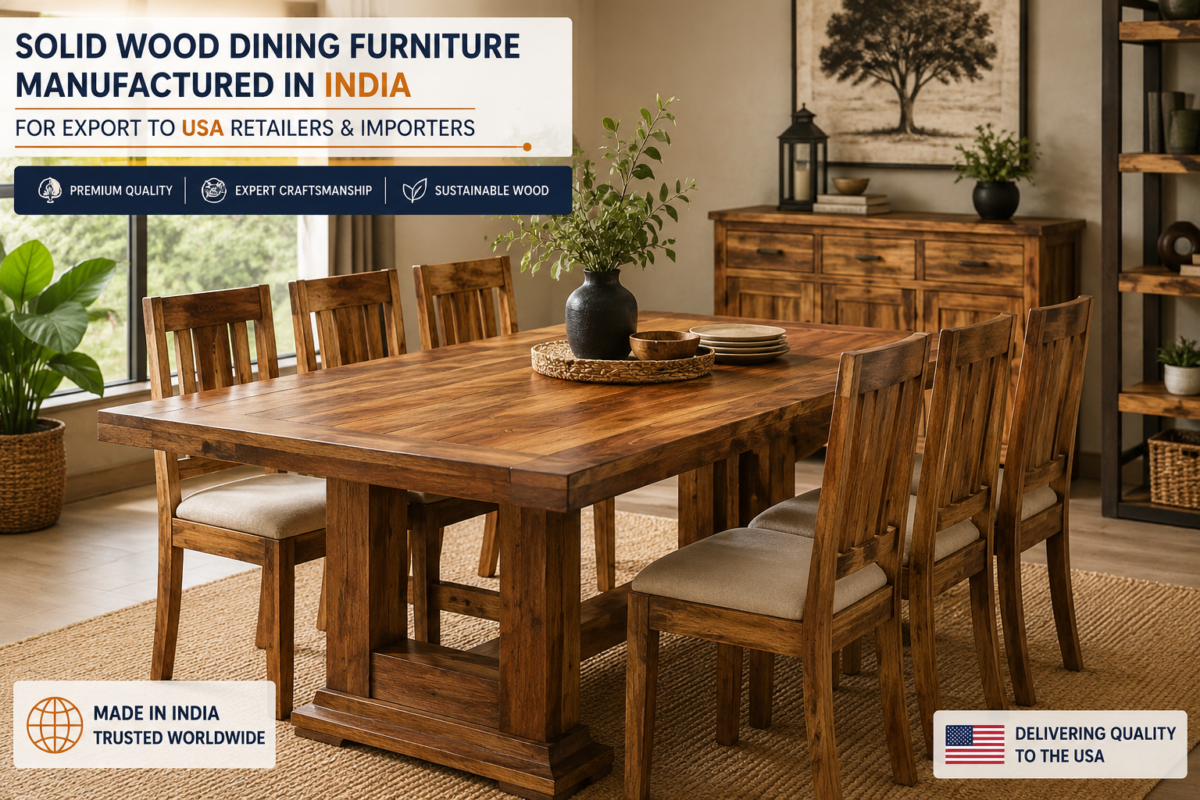
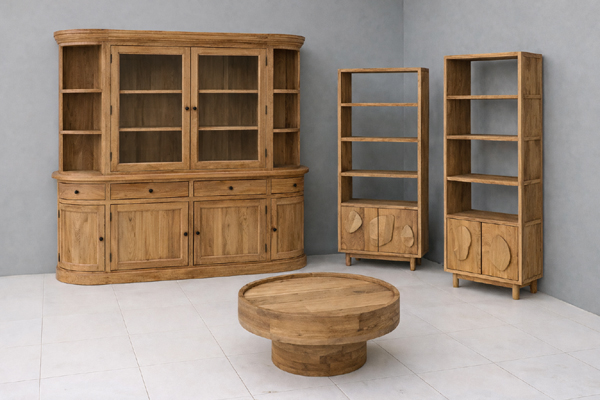
Solid Mango Wood Furniture, for example, is widely used for tables, cabinets, benches, shelves, and other furniture pieces. Its natural grain gives every product an individual appearance, while its versatility makes it suitable for both traditional and contemporary designs.
A reliable Wooden Furniture Manufacturer should be able to explain the material being used and how it suits the intended product.
For international buyers, material discussions should also cover moisture considerations, construction requirements, finishes, and packaging. These details can help reduce misunderstandings later in the production process.
- Samples and Product Development
For new designs or customized furniture, manufacturers may develop a sample before moving into larger production.
This stage is particularly useful for wholesale buyers. A sample allows the buyer to evaluate the actual product rather than relying only on drawings or photographs.
The buyer can review:
- Product proportions
- Wood appearance
- Surface finishing
- Construction quality
- Color and texture
- Hardware
- Overall functionality
If something needs to be changed, adjustments can be made before mass production begins.
This is one reason why European furniture companies often prefer working directly with an experienced wooden furniture manufacturer from India rather than simply purchasing from a general trading source.
- Craftsmanship Meets Modern Manufacturing
Indian furniture manufacturing combines skilled craftsmanship with organized production processes.
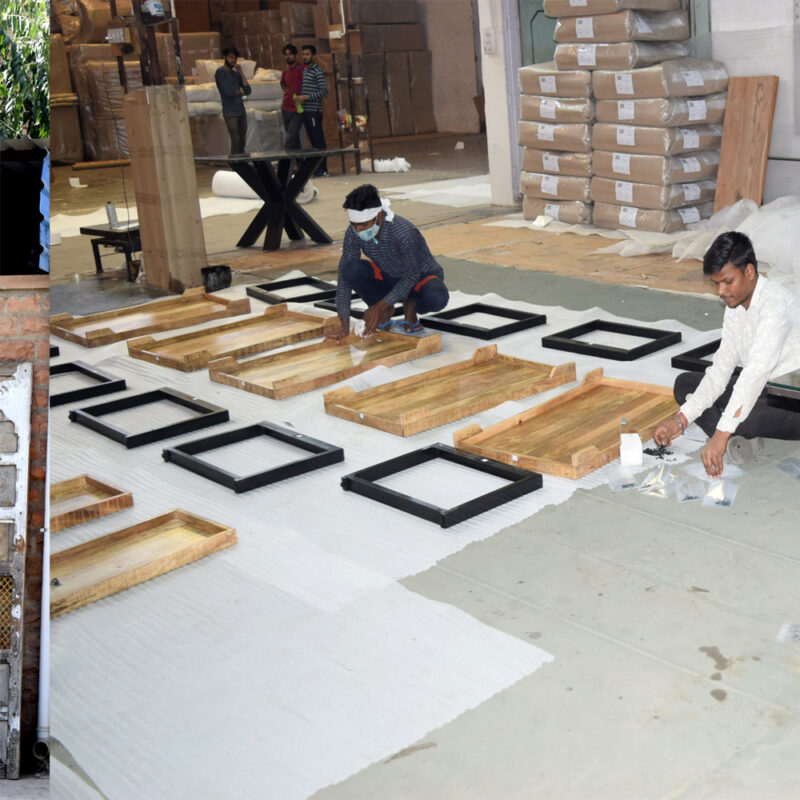
Depending on the furniture design, different stages can include cutting, shaping, drilling, joining, sanding, welding, assembly, and finishing.
Traditional woodworking skills remain valuable, especially for furniture where natural materials and handcrafted details are important. At the same time, modern equipment can help manufacturers maintain consistency when producing larger quantities.
This combination is particularly useful for international furniture brands that want products with a handcrafted character but still require consistent specifications across multiple pieces.
For products such as dining tables, coffee tables, cabinets, industrial furniture, chairs, and solid wood storage units, the balance between craftsmanship and production control can make a significant difference.
- Finishing Gives the Furniture Its Final Character
The finishing stage can completely change how furniture looks.
Depending on the buyer’s requirements, wooden furniture may receive a natural, matte, distressed, stained, painted, or other customized finish. The right finish depends on the design, wood species, intended market, and overall collection.
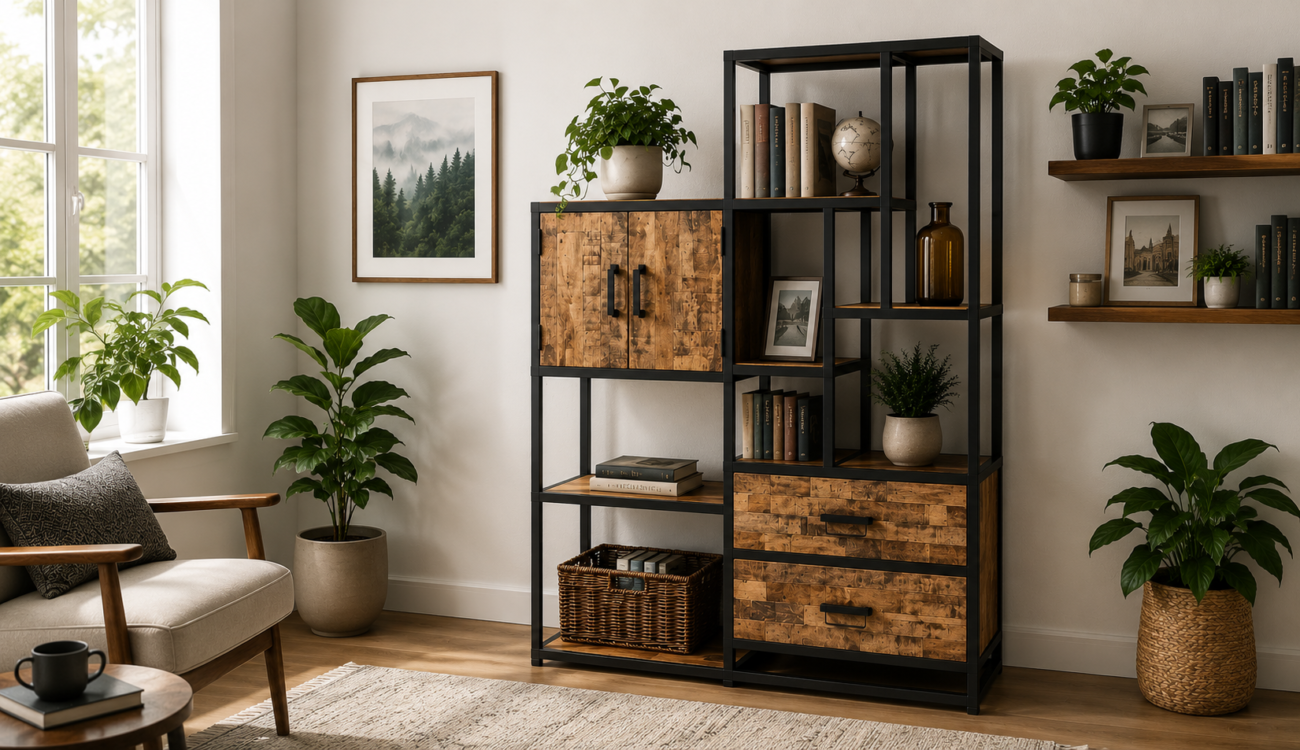
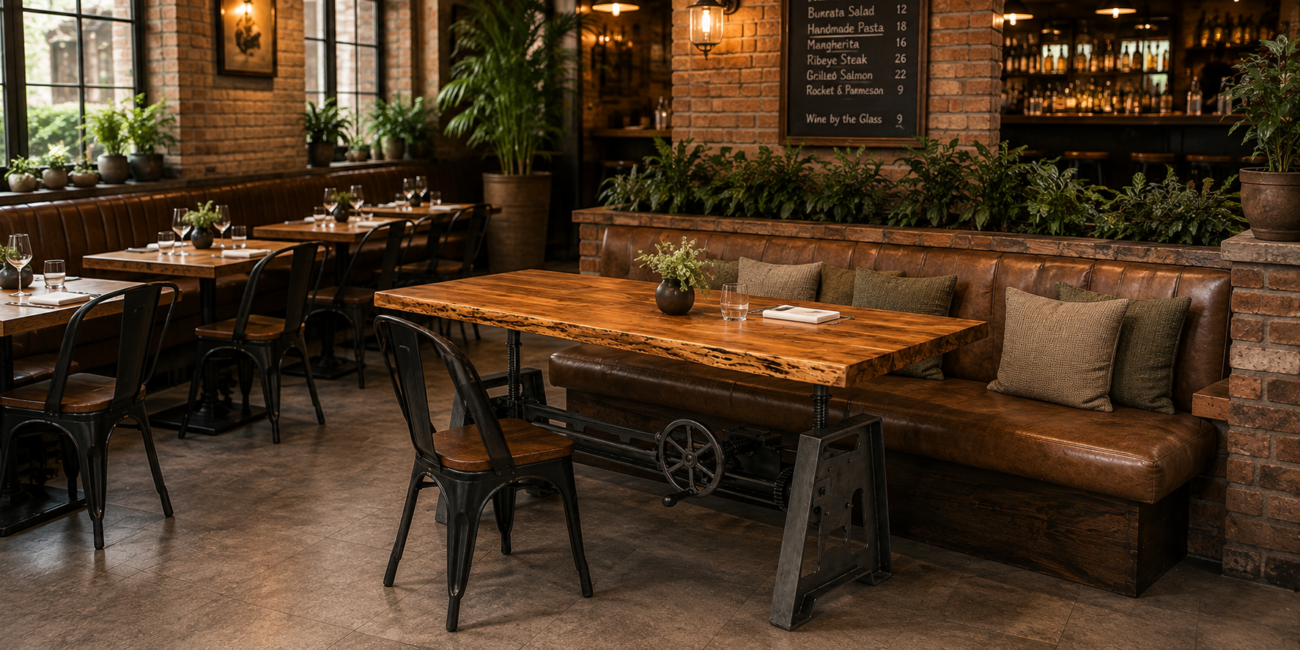
For example, a European retailer may want a lighter natural finish for a contemporary collection, while an industrial furniture range may require darker tones combined with metal components.
A good Indian furniture manufacturer should therefore be able to offer different finishing possibilities rather than treating every product in exactly the same way.
- Quality Checks Before Packing
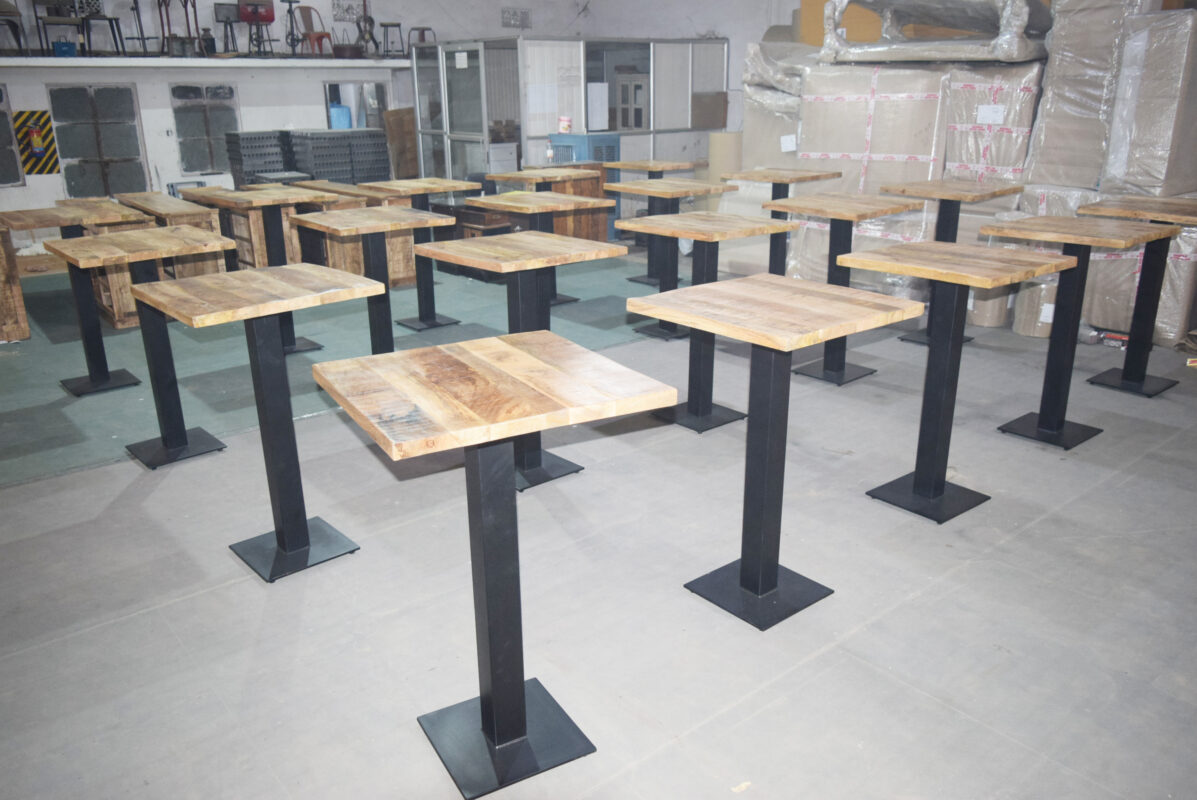
Quality control should not be treated as the final step only. Manufacturers can inspect furniture at different stages of production and conduct a final inspection before packing.
Typical checks may include:
- Dimensions and specifications
- Stability and construction
- Surface quality
- Finish consistency
- Hardware installation
- Doors, drawers, or moving parts
- Visible defects
- Overall appearance
For international orders, these checks become even more important because the products may travel thousands of kilometers before reaching the buyer.
European importers and wholesalers should discuss quality expectations with their Furniture Manufacturers in India before production begins. Clear specifications make it easier for both sides to understand what the finished product should look like.
- Packaging Is Part of the Manufacturing Process
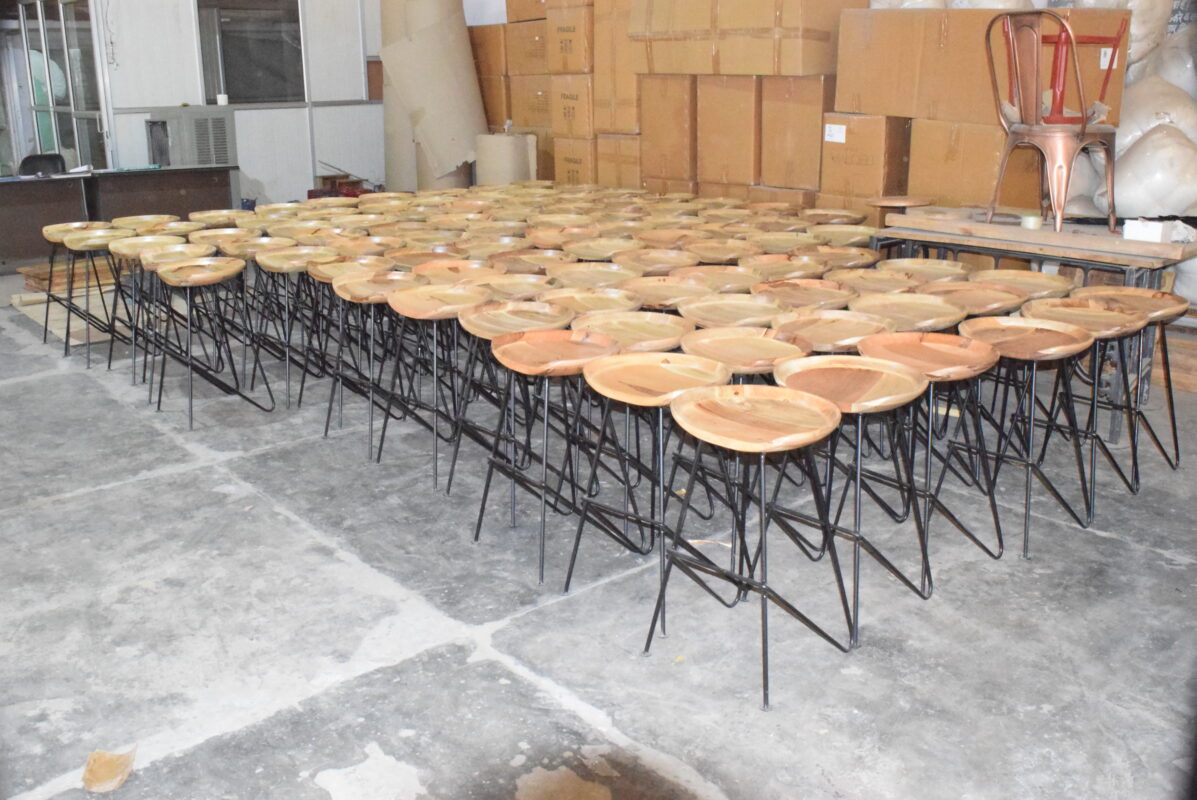
Furniture is not finished simply because it has been assembled. For export orders, packaging is an important part of the delivery process.
A manufacturer needs to consider the product’s size, shape, weight, construction, and shipping method when preparing packaging.
Tables, cabinets, chairs, and other furniture products may require different protective solutions. Corners, surfaces, glass components, metal parts, and other vulnerable areas need appropriate protection.
Good export packaging helps reduce the risk of scratches, dents, moisture exposure, and other damage during transportation.
For buyers in Spain, France, Germany, and other European markets, discussing packaging requirements before production can prevent unnecessary problems after shipment.
- Preparing the Order for International Delivery
After production and final inspection, the furniture is prepared for dispatch.
At this stage, the manufacturer and buyer need to coordinate quantities, packing details, shipping documentation, and delivery arrangements.
For larger B2B orders, efficient coordination is essential. A furniture manufacturer experienced in international business understands that successful delivery involves more than simply completing the products.
Communication between the manufacturer, buyer, logistics partners, and other parties helps keep the order moving smoothly.
- Why the Right Indian Manufacturer Matters
The manufacturing process may appear straightforward, but the quality of the final result depends heavily on the capabilities of the supplier.
A reliable Wooden Furniture Manufacturer in India should be able to support buyers through multiple stages—from product development and material selection to production, quality control, packaging, and export coordination.
For businesses building furniture collections, this becomes even more important. A retailer may begin with a small selection and later expand the range with matching dining tables, coffee tables, cabinets, chairs, benches, or storage furniture.
Working with a manufacturer that understands these long-term requirements can make future product development easier.
From an Idea to a Finished Furniture Collection
The journey from design to delivery involves much more than making a piece of furniture. It involves material selection, product development, skilled production, finishing, quality control, packaging, and careful coordination.
For European furniture retailers, wholesalers, hospitality suppliers, and interior businesses, sourcing directly from a Wooden Furniture Manufacturer can provide greater control over product specifications and customization.
India’s combination of woodworking expertise, natural materials, manufacturing capabilities, and customization options makes it an interesting sourcing market for international buyers.
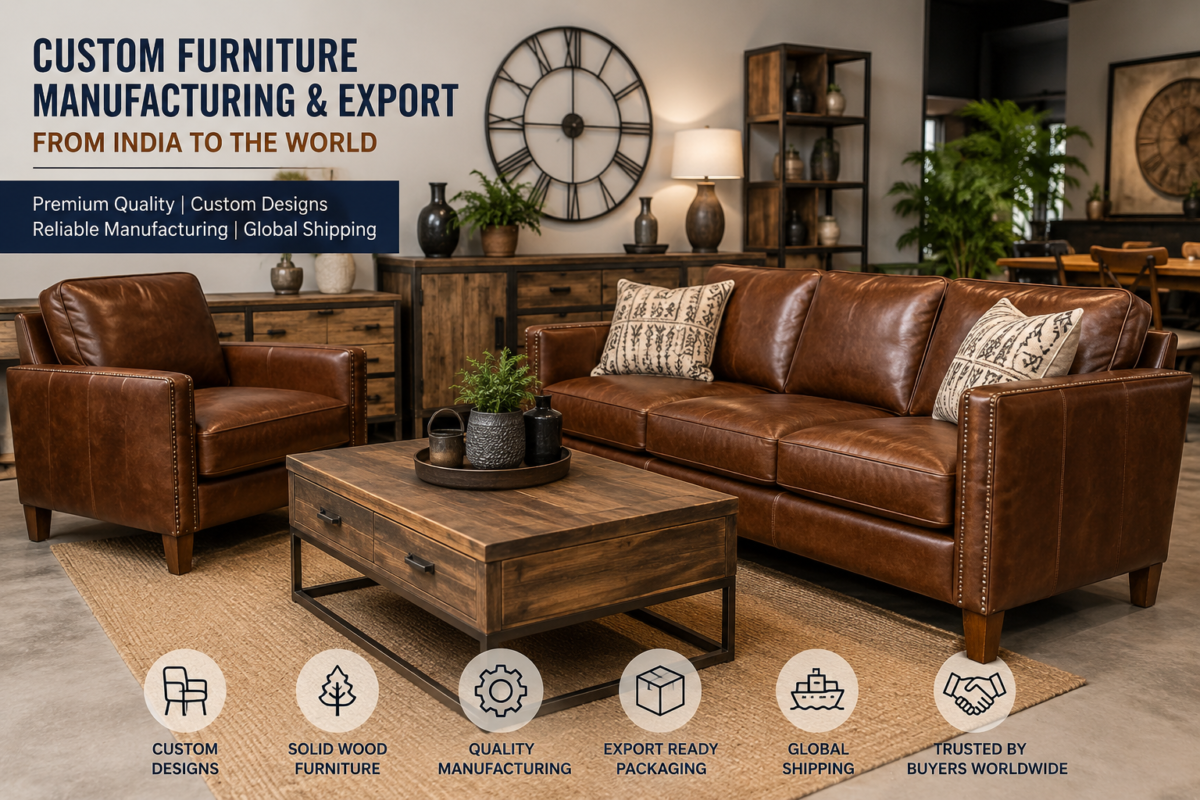
Companies such as IndiaBuyingInc can support businesses looking for wooden furniture, solid mango wood furniture, industrial designs, and customized products manufactured in India. For buyers planning an ongoing collection rather than a one-time purchase, choosing the right wooden furniture manufacturer from India can become an important part of building a dependable international supply chain.
Ultimately, successful furniture sourcing comes down to choosing a manufacturing partner that understands the product, communicates clearly, maintains quality throughout production, and can reliably take the order from the first design idea all the way to final delivery.